
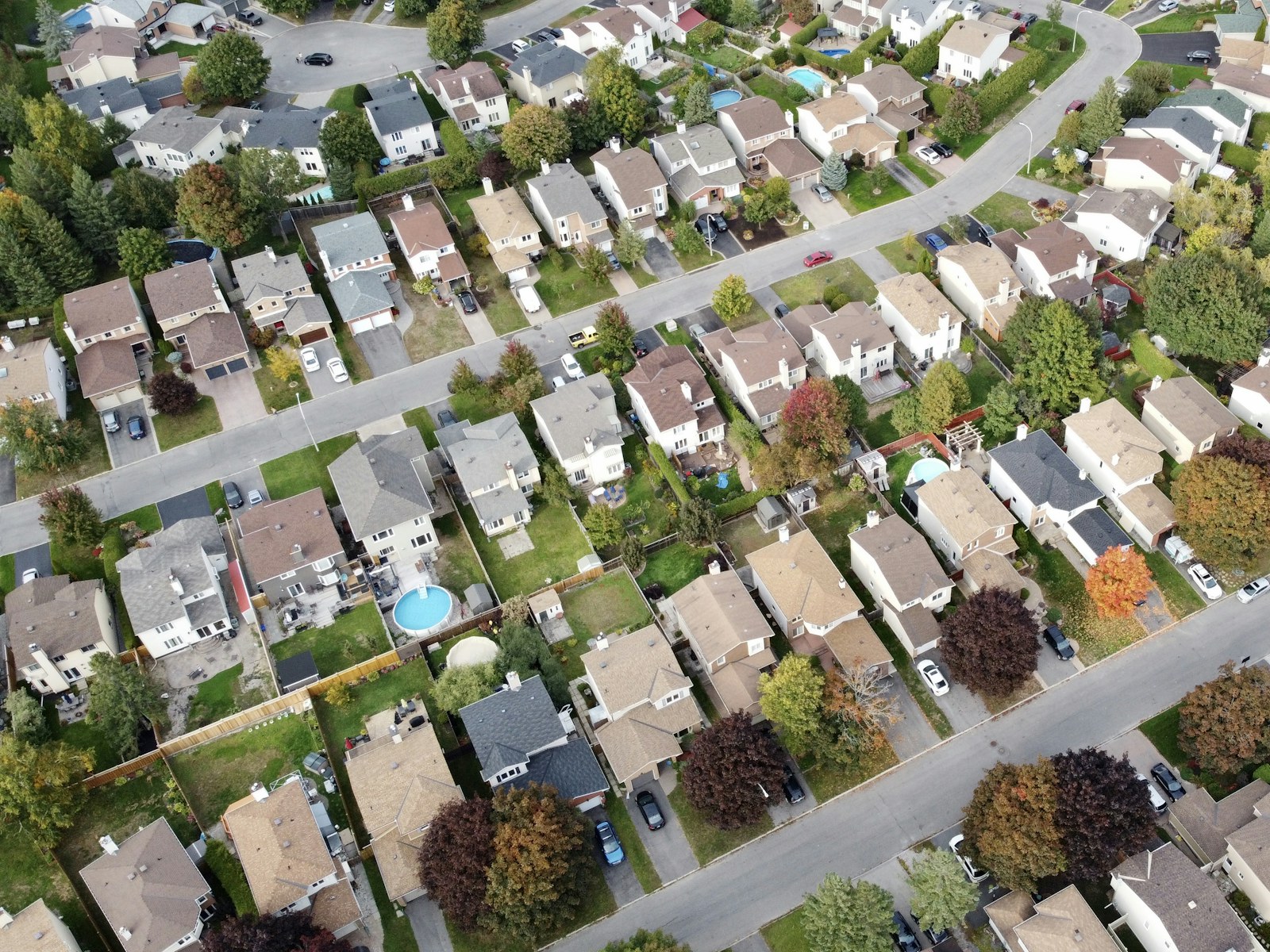
If you own in Old Bridge, a number you have looked at for years is about to change by a lot. The Old Bridge revaluation will reset every assessment in the township, and the figure on your card is likely to land somewhere around three and a half times what it says today.
That sounds alarming. For most owners it will not mean what it looks like it means. Here is what is actually happening, what it does to your tax bill, and the one deadline that moves because of it.
What the Old Bridge revaluation is
Middlesex County’s Board of Taxation lists Old Bridge under upcoming revaluation work, extended for Tax Year 2027, alongside Plainsboro and South Plainfield. The township’s own 2026 budget lists implementing a municipal-wide revaluation among its upcoming cost pressures, so this is ordered work rather than a rumor.
The state defines a revaluation as a program to appraise all real property in a district at full and fair value. New Jersey’s own booklet defines that as the price a property would bring between a willing buyer and a willing seller. The state measures it as of October 1 of the pretax year.
In plain terms, the township is replacing assessments that drifted out of date with figures meant to match what houses actually sell for.
Why your assessment is about to jump
This is where the size of the change comes from, and it is worth seeing the arithmetic.
New Jersey publishes a ratio for every municipality showing assessed value as a percentage of true market value. In the 2026 table certified in April, Old Bridge comes in at 28.33%.
Assessments here are running at roughly 28 cents on the dollar. A revaluation moves them to 100 cents.
Put the township’s own market on it. Old Bridge’s 2026 budget puts the average residential assessment at $158,052. At a 28.33% ratio, that implies an average market value near $558,000. After the revaluation, the average assessment lands near that figure instead. That is an average, though, and your house is not the average one. What Old Bridge is actually selling for right now is the better guide to where your own number lands.
That is about three and a half times the old number. Every owner in town is going to open that notice and have the same reaction.
A bigger assessment is not a bigger tax bill
Here is the part that matters most, and the state says it plainly.
The booklet’s language is that a revaluation “does not mean that all property taxes will increase.” The reason is mechanical. A town raises a set amount of money each year. When the total assessed value of the township multiplies, the tax rate has to fall against it. Run it on Old Bridge’s actual numbers. The 2026 municipal rate is $1.055 per $100, which on that average assessment produces a municipal tax of $1,667. If assessments roughly triple and the township still raises the same money, the rate has to fall to about $0.30 per $100. Apply that to a $558,000 assessment and the bill is still $1,667.
So the revaluation does not hand the township more money. It changes who pays which share of the same bill.
The state is direct about who moves. Owners of the most severely under-assessed properties “will pay a greater share of the tax burden” afterward, and owners of over-assessed properties “will pay a smaller share.”
The question is not whether your assessment went up, because everyone’s did. It is also worth remembering why a low tax rate still produces a five-figure bill in this state. The question is whether yours went up by more or less than the township average. More and you pay a bigger share. Less and you pay a smaller one.
Who actually ends up paying more
It is worth being concrete about this, because it is the question everyone in town will be asking each other.
The houses most likely to see a real increase are the ones whose value has climbed fastest since the last revaluation. Renovated homes, newer construction, and anything in a pocket of Old Bridge that appreciated harder than the township as a whole. Those are the properties currently carrying assessments furthest below what they would actually sell for.
The houses likely to see a decrease are the opposite. Older stock that has not been updated, properties with condition problems, and anything that has been over-assessed relative to its neighbors for years. Some owners have been quietly overpaying for a long time and will finally stop.
It is a redistribution, not a tax increase. But redistribution means somebody’s share goes up, and it will not feel neutral to them.
One practical consequence people forget: if your tax bill changes, your mortgage escrow changes with it. A higher bill means your servicer collects more each month, usually after a shortage notice. That lands on your monthly payment even though nothing about your loan changed.
The timeline, and the knock on your door
The state booklet lays out how this runs, and it is worth knowing before it starts.
Inspection. Both the interior and exterior of each property are usually physically inspected, with dimensions noted and details recorded. Interior inspections require that residents cooperate with the listers. The inspector is collecting data, not setting your value on the spot, so there is no point arguing a number with the person at the door.
Your notice. The revaluation firm mails the appraised value before it is officially listed, which the state says usually happens after November 10 and before December 31. That notice also explains how to arrange a personal informal hearing.
The informal hearing. This is the step most people skip and it is the cheapest one you get. Bring recent comparable sales, your purchase price if it was recent, and check their property record for errors in square footage, bathroom count or condition. Wrong data is the easiest thing to fix and a common reason assessments come in high.
The tax list. The assessor files it with the County Board of Taxation on January 10.
The appeal. May 1 for a municipal-wide revaluation. If the County Board rules against you, there is a further appeal to the State Tax Court within 45 days of that judgment.
What changes about appealing after the Old Bridge revaluation
This is the part almost nobody knows, and it is genuinely different from a normal year.
In an ordinary year New Jersey judges an assessment against the Chapter 123 common level range. That is a band of plus or minus 15% around the town’s ratio, and being somewhat over-assessed is not enough to win.
In a revaluation year that band is gone. County tax board guidance states that Chapter 123 is not used in the year of a revaluation or reassessment. The assessment simply has to equal true market value.
That cuts both ways, and both directions matter to you.
There is no 15% cushion protecting a number that came in too high. Show that your house would not sell for the assessed figure and the township is supposed to correct it. That is a lower bar than homeowners face in a normal year.
It also means the usual advice about appeals, written for ordinary years, does not describe your situation. I went through how the standard appeal process works separately, and a revaluation year is the exception to most of it.
The deadline moves to May 1
Most New Jersey homeowners file by April 1. Monmouth, Burlington and Gloucester run on a January 15 calendar.
Old Bridge is in Middlesex, so April 1 would normally apply. But N.J.S.A. 54:3-21 provides that where a municipal-wide revaluation has been implemented, a taxpayer may appeal on or before May 1.
The same statute allows a direct filing with the State Tax Court when the assessed valuation exceeds $1,000,000. After a revaluation lifts assessments to full market value, more Old Bridge properties will sit near that line.
One caution. The county lists this work as extended for Tax Year 2027, the township’s own assessor page says nothing about it yet, and I have seen a secondhand reference to 2028. Confirm the year and the notice schedule with the Old Bridge assessor before you plan around a date.
What to do when your Old Bridge revaluation notice arrives
Four things, in order.
Read the assessment itself rather than the estimated tax. The assessment is what you can challenge.
Ask the one question that decides everything: would this house actually sell for that number? Not whether it is bigger than last year’s, because it will be. That is worth establishing properly rather than guessing at.
Take the informal review if the township offers one. If you are thinking of turning the inspector away at the door, it is worth knowing what refusing actually costs you first. Most revaluation programs include a window to meet with the revaluation firm before the firm finalizes it. That is a far easier conversation than a formal appeal. It is worth more than people realize, because the informal review is the only stage that accepts a CMA as evidence.
If the number still looks wrong, pull the sales that support your position and file before the deadline.
Where I come in
The whole thing turns on one number: what your house would bring in a sale today. That is the question I answer for a living, and it is the evidence an appeal rests on.
Old Bridge is moving quickly right now, which helps the case either way. I keep the current numbers on what Old Bridge real estate is actually doing. Homes sold at 101.4% of list in August with 62.4% closing above asking, so recent comparable sales are plentiful and recent.
Tax figures here come from the New Jersey Division of Taxation and Middlesex County and are linked so you can check them. What your specific assessment should be is a conversation for the Old Bridge assessor, and a formal appeal is a legal filing worth discussing with a New Jersey tax appeal attorney.
What I can do is tell you what the house would realistically sell for before you decide whether the new number is worth fighting. Send me the address when your notice lands.

Shea Merritt is a licensed New Jersey real estate agent with eXp Realty, working with buyers and sellers across Middlesex, Monmouth, and Ocean counties. He grew up in Old Bridge. He writes here about the arithmetic behind a move: what a house would actually bring today, what the tax line does to a monthly payment, and how to compare offers on their terms rather than on the top number. If you are weighing a sale or a purchase, send him the address and he will run the numbers on it.